As we gradually get closer to Phalcon 1.0, we have introduced in each version more and more features, stabilizing the framework consistently without losing performance. Many of you have provided feedback and requested new features that have been implemented in each release or are soon to be implemented. Once again, a big thank you for your time and participation.
We are close to completing one year of building a PHP framework which follows a totally different perspective, taking on the challenges of innovation and the search for new and better ways of working and achieving our goals.

We’re very proud to announce the immediate release of Phalcon 0.8. As mentioned in the alpha/beta posts we’ve introduce a lot of new and exciting features in this major release. As always we have improved performance and addressed several bugs increasing the overall stability of the framework.
A big thank you to all the community and every tester who has reported bugs and requested new features. We are constantly getting closer to the best balance between speed and functionality in the PHP world and this is mostly due to our community!
After the introduction of many new and exciting features in our alpha version, we are today releasing the first beta version of 0.8.0.
We’re happy to announce the last release of this year, 0.8.0 Alpha. This release is a preview of Phalcon’s next stable release which will come next year. We decided to release this alpha version, so that you can get acquainted with the new features coming down the line.
In this article we highlight some of the features implemented:
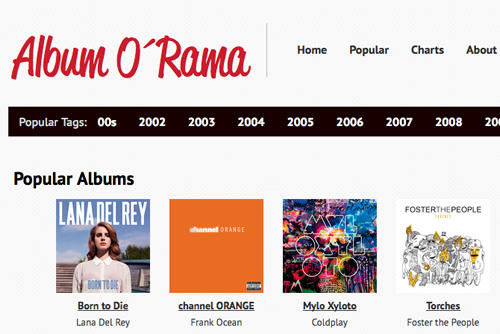
We are very excited to release our third Phalcon demo after INVO and the alternative PHP website to the community, so as to showcase the power of Phalcon.
In this demo, we decided to go big! We created a music album library where one can get information about their favorite artists, discover new music and much more.

We are very pleased to announce the immediate availability of Phalcon Framework 0.7.0 stable.
It’s only been a month since we released 0.6.x, but we’re already back with more updates. And they’re pretty good!
Our friend Marcin @mailopl from Poland sent us this amazing tutorial and introduction to Phalcon. Check the first part here. Enjoy it!
Our friend Marcin @mailopl from Poland sent us this amazing tutorial and introduction to Phalcon. Enjoy it!

With the upcoming release in a week or so of 0.7.0 and the interfaces functionality attached to it, we have created a new repository in github called Phalcon Incubator: